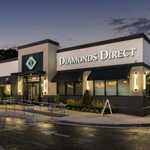
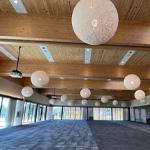
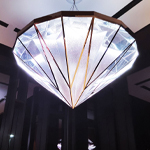
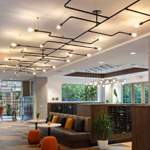
OUR PORTFOLIO

GET IN TOUCH


    Contact us or email us at invigorate (@) ideoli.com for quick assistance. We’re here to help!

    [We Are DMX Lighting Experts]

    Mastering Custom Lighting with DMX Precision

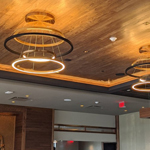
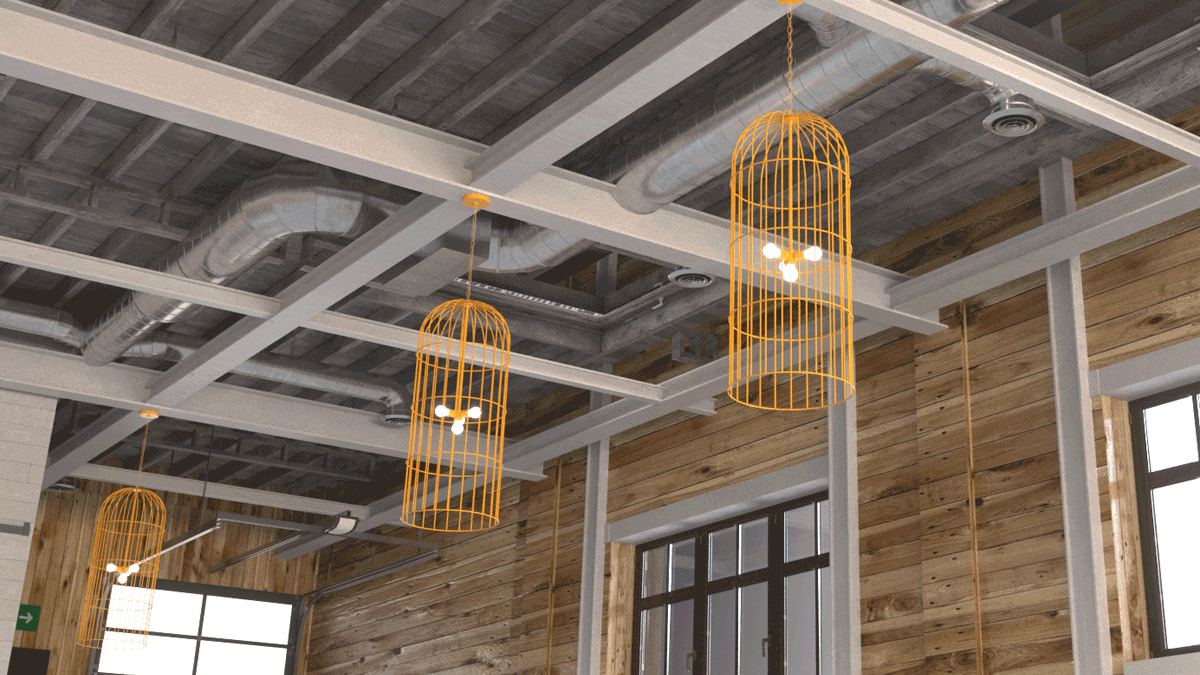
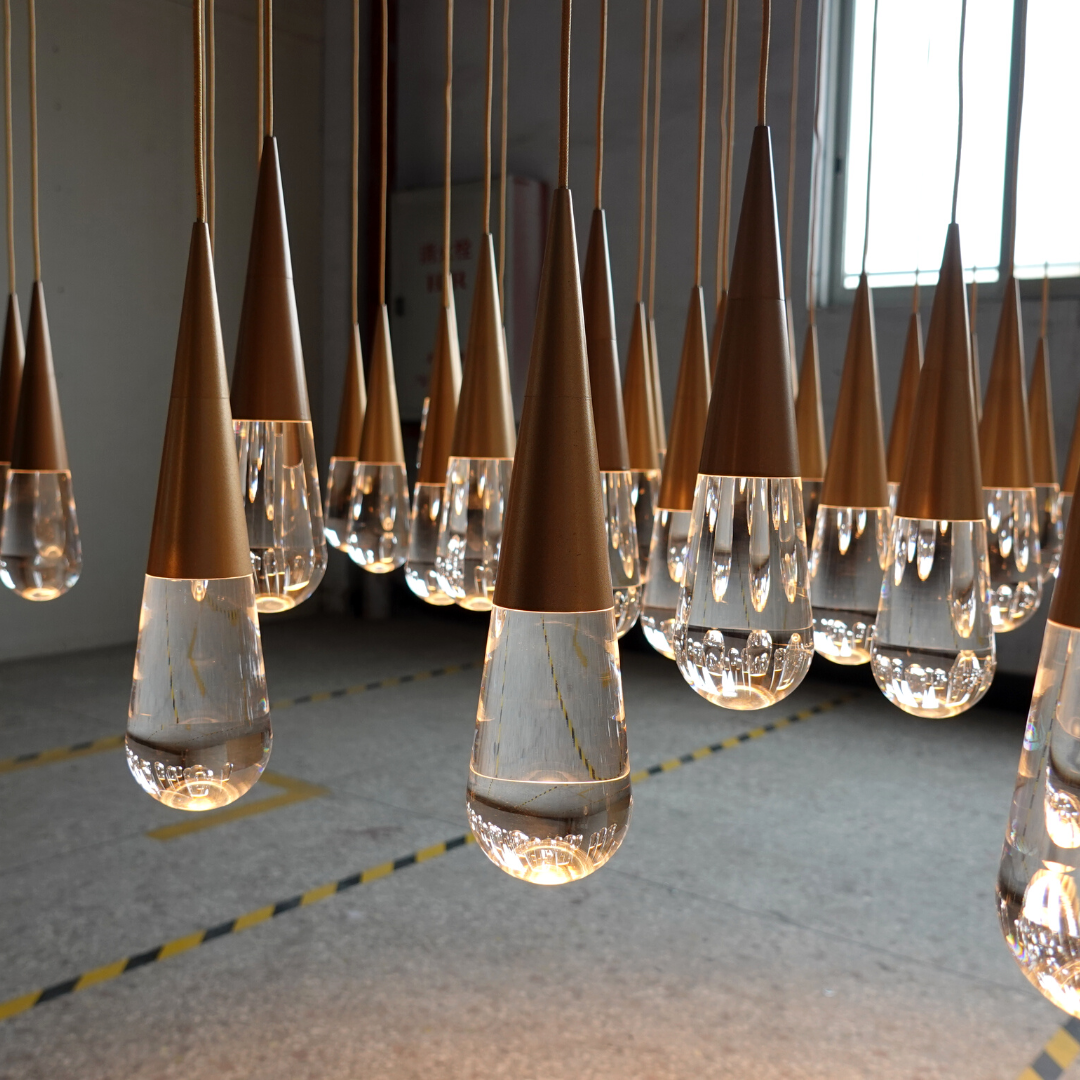
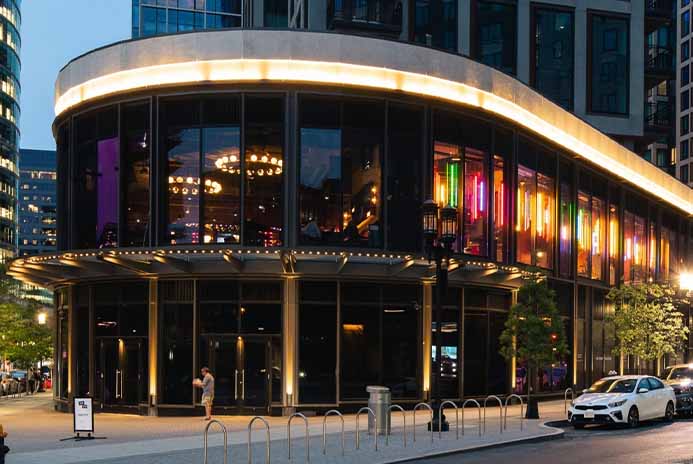
    At Ideoli, we are DMX Lighting Experts, transforming spaces with advanced, customizable LED solutions. From dynamic facades to immersive interiors, we deliver unmatched lighting precision and creativity for the world’s most iconic brands in hospitality, architecture, and entertainment.

    [The Power of DMX Lighting]

    Dynamic Lighting, Unmatched Control

    DMX technology gives you the power to control every detail of your lighting—brightness, color, effects, and transitions—all with seamless integration into your design. Ideoli’s expertise in DMX lighting ensures your project achieves the perfect ambiance and functionality.

    Trust Ideoli to make your vision a reality with cutting-edge DMX solutions.

    Value Engineering in Lighting Fixture Production

    In the world of business, the pursuit of excellence often intersects with the need for efficiency. This is particularly true for companies like Ideoli, a leading manufacturer of lighting fixtures, where striking the perfect balance between quality and cost-efficiency is paramount. Enter Value Engineering – a strategic process that has proven to be a game-changer for businesses like Ideoli and it’s partners. 1. Enhanced Cost Efficiency: Value Engineering at Ideoli means achieving quality lighting fixtures with a focus on optimizing the materials, production processes, and design. By meticulously examining every aspect of the production cycle, Ideoli can identify opportunities for cost reduction without compromising on quality. This cost-efficiency extends not only to the manufacturing stage but also to maintenance and operational costs. 2. Streamlined Manufacturing: Efficient production is the hallmark of Value Engineering. Ideoli’s commitment to this process means that each lighting fixture is designed with the most cost-effective manufacturing methods in mind. This translates to shorter production cycles, reduced waste, and a smoother workflow. Ultimately, it leads to quicker product turnaround and better responsiveness to customer demands. 3. Premium Quality Products: One might assume that cost-efficiency could come at the expense of product quality. However, Ideoli’s Value Engineering approach is dedicated to delivering the highest quality lighting fixtures. By making informed design and material choices, Ideoli ensures that its products not only meet but often exceed industry standards for durability and performance. This commitment to quality enhances customer satisfaction and trust in the brand. 4. Competitive Pricing: Value Engineering empowers Ideoli to offer competitive pricing without compromising on profitability. By reducing production costs while maintaining quality, Ideoli can provide lighting solutions that are not only top-tier but also affordable. This competitive pricing can be a decisive factor for businesses looking to upgrade their lighting systems without straining their budgets. 5. Sustainability and Environmental Responsibility: Reducing waste and energy consumption is not just a cost-saving measure but also an environmentally responsible one. Ideoli’s Value Engineering approach contributes to sustainability efforts by minimizing resource usage and energy consumption, thus reducing its carbon footprint. In conclusion, Value Engineering at Ideoli is a strategic win-win. It enables the production of top-quality lighting fixtures while maintaining a sharp focus on cost-efficiency. This approach results in competitive pricing, streamlined manufacturing, and a commitment to sustainability. By embracing Value Engineering, Ideoli not only strengthens its position in the lighting fixture industry but also sets an example for businesses seeking to achieve excellence through efficient, value-driven processes. For more insights and updates, don’t forget to follow us on social media and let’s spark some creativity together! LinkedIn, Facebook, Instagram, Twitter, YouTube.     Facebook-f Linkedin-in Tumblr Envelope

    Why it’s important to understand the difference between ‘source lumens’ and ‘delivered lumens’

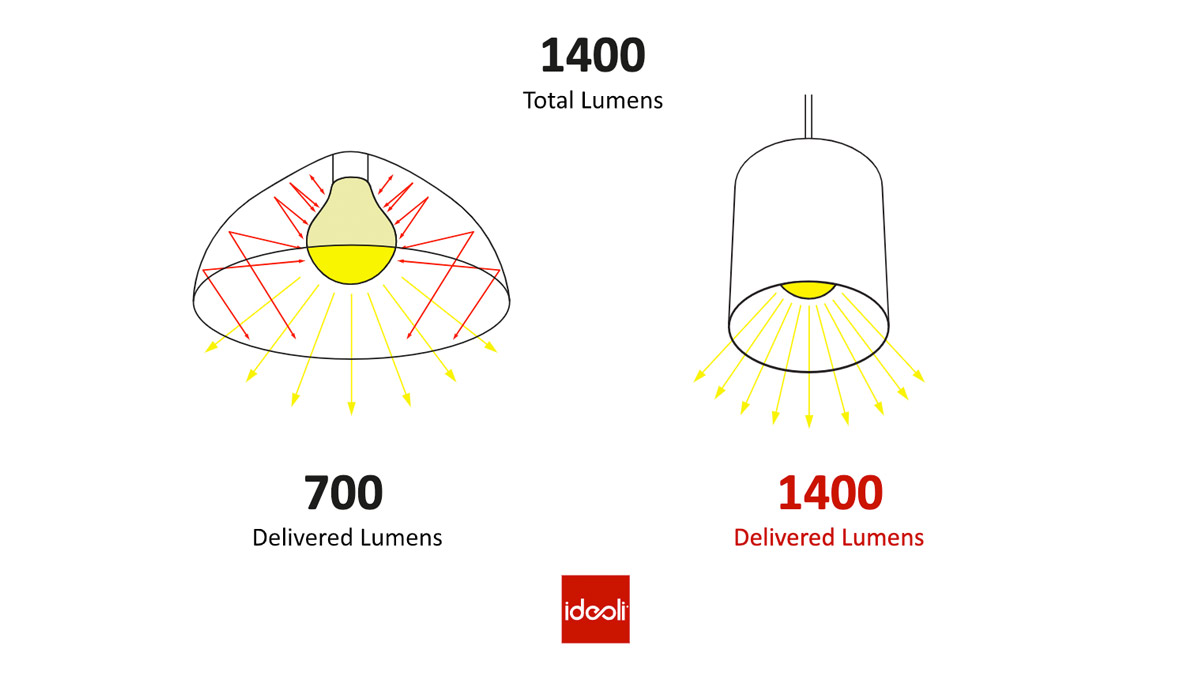
    Lumens are a measure of the total visible light output from a light source, no matter if it is LED, Fluorescent, Halogen, or Incandescent. However, when speaking about the number of lumens on a fixture spec sheet, it does not always mean that is the number of lumens coming out of the luminaire. Knowing how much light your space needs to be illuminated appropriately depends on many factors. One of them is to understand the difference between “source lumens” and “delivered lumens”, as this ultimately affects how many lumens are needed to light up your space as planned. Lumens are a measure of the total visible light output from a light source, no matter if it is LED, Fluorescent, Halogen, or Incandescent. However, when speaking about the number of lumens on a fixture spec sheet, it does not always mean that is the number of lumens coming out of the luminaire. For example, a decorative LED pendant may produce 850 lumens from the source but once the light travels through the diffuser and shade, only 450 lumens may leave the fixture. This could leave a space without sufficient light levels. Therefore, we need to understand the difference between “source lumens” and “delivered lumens” and how this affects the final impact of lighting for a space. SOURCE LUMENS The lumen value that is emitted from a light source is generally referred to as “source lumens”. It is the total amount of lumen output emitted by the element that is producing the light. Once the light is transmitted through any lens or diffuser, or bounced off of any reflector or shade the number of lumens decreases. DELIVERED LUMENS After the light has gone through various reflections, refractions, or absorptions and exited the light fixture, the resulting number of lumens is called “delivered lumens”. The amount of delivered lumens can be significantly less than the amount of source lumens depending on the number of reflections, refractions, or absorptions of various materials the light goes through. The mechanical build of a luminaire can also contribute to how much light is being blocked or dispersed, ultimately interrupting and affecting the light flow. Because of this loss in light output, lighting designers and engineers need to be aware of the difference between the light that emits from the light source and the ultimate output that arrives on the scene, as this will help determine how many fixtures are needed to light up a space appropriately. CONCLUSION When creating a lighting design for a space, lighting designers need to evaluate light fixtures to ensure the lumen output meets their needs. Recognizing and understanding the differences between source lumens and delivered lumens is imperative because different manufacturers list different values on their specification sheets. Without this knowledge and information, the space in question could be equipped with fixtures that would provide insufficient lighting. Ideoli works with a number of world-class lighting designers and engineers worldwide who are experts at analyzing how many ‘source lumens’ and how many ‘delivered lumens’ are needed to light up any space. We would love to collaborate with you on your lighting project and help make your space glow. Get in touch with us today at invigorate@ideoli.com. Facebook-f Linkedin-in Tumblr Envelope

    What are lighting controls and why you should use them

    In this post, we will provide you with a short introduction to what lighting controls and lighting control systems are, the different types of lighting controls, and why you should use them. ON and OFF — Lighting controls are really not what they used to be. Over the recent decades, the capabilities of lighting controls have evolved significantly and have influenced how we handle lighting for all types of application environments. Modern lighting controls have given us the ability to manage different aspects of lighting, such as dimming, motion control, and scene setting. With greater control over how lighting is used, we are also able to reap more benefits of using lighting controls, for example, saving energy, greater convenience, enhanced environments, and more safety and security. In this post, we will provide you with a short introduction to what lighting controls and lighting control systems are, the different types of lighting controls, and why you should use them. WHAT ARE LIGHTING CONTROLS? Taking control of our lighting needs is what lighting controls are all about. Lighting controls are part of a lighting control system that give us the ability to manage the quality and the level of a light. Lighting control systems consist of a network of input/output devices, including relays, light control switches, occupancy sensors, and more. These controls are managed locally or remotely using software applications and/or other interfaces connected to the lighting control system. As mentioned above, traditional lighting controls were generally able to manually turn a light on and off. Today, we have a lot more functionalities available that let us manage the brightness of a light, the color temperature, lighting timers, and much more. Being able to control lights in many different ways, enables us to adjust our lighting to different moods and atmospheres. This can have an overall effect on how we live and work. The advent of the Internet of Things (IoT) has made it possible for us to connect our lighting control systems to different devices and applications making it even easier to manage our lighting, no matter where we are. TYPES OF LIGHTING CONTROLS There are many different types of lighting controls, both manual and automatic -some are capable of both. While certain lighting controls are only able to turn on/off specific lights, others are focused on modifying the brightness or color temperature of lights. For some lighting controls, third-party equipment may also be required to take full advantage of all of their capabilities. To give you a better understanding of what types of lighting controls exist and why they are suitable for certain situations, we will list a number of different lighting controls below. BASIC LIGHTING CONTROLS The most basic lighting controls are light switch controls. Basic light switch controls enable lights to be turned on and off manually. They give you the ability to turn off the light and save energy when you leave a room or when lighting is not needed for a space. Although these controls require manual action, these controls will help you to manage your lighting needs at the most basic level. DIMMERS Dimming controls are used to change the overall light output of a light source. The current flow to the light source can be increased or decreased through dimming switches, sliders, touch dimmers, and more. Dimmers can also be used in conjunction with other lighting controls such as timers, motion sensor controls, or preset lighting controls. By not fully utilizing a bulb’s light output, dimmers can help extend the life of your bulbs and help you save energy. TIMERS If you want your lights to be turned on or off at specific times, timers are the most suitable lighting controls to help you with that. Manual timers directly connect to the outlet and essentially stop or open the current flow to the light. For many situations basic time controls will most likely be sufficient to turn off your lighting on a schedule, for example switching off the company lighting after business hours. More advanced time controls can be set with programmable digital timers. These can generally give you more control over a variety of scheduling possibilities. PRESET LIGHTING CONTROLS The ability to use preset lighting settings that fit to situations and moods, or save personal lighting settings is made possible through preset lighting controls. These are generally accessible by using a remote control or an application connected to the lighting system. Today’s lighting control preset can range from lighting settings for moods such as ‘reading/studying’, all the way to scene settings like ‘Christmas’ or ‘Party.’ MOTION AND OCCUPANCY SENSOR CONTROLS Any movement that occurs within a detectable area of a motion or occupancy sensor system can activate and deactivate lights without having to manually switch the light on or off. Motion sensor controls are mostly used for security and utility lighting, while occupancy controls are generally installed to turn on/off indoor lights once motion is detected. LIGHT SENSOR CONTROLS Light sensor controls automatically modify the brightness of light depending on the amount of natural light a space receives from outside. By balancing both natural and artificial light levels, any excess lighting is avoided, always providing the exact level of illumination, no matter what time of the day it is or what type of weather is currently present. 5 TOP BENEFITS OF USING LIGHTING CONTROLS Lighting controls have received more attention in recent years, as people have noticed the benefits of using lighting controls in their daily lives. As lighting technologies continue to evolve, we have gotten so accustomed to many lighting controls that we often can’t imagine not having them anymore. After introducing you to some of the most common lighting controls, we will now explore the 5 top benefits of lighting controls. ENERGY EFFICIENCY Lighting controls can help you save money on your electric bill by automatically turning off lights when they are not needed. With the help of lighting controls such as time controls, motion, and sensor controls, as well


    [Why Choose Ideoli for DMX Lighting]

    Your Partner in DMX Excellence

    DMX lighting isn’t just technology—it’s an art form. Ideoli combines technical expertise with creative vision to deliver custom solutions that redefine how spaces are experienced.

    What Sets Us Apart:

    • Custom DMX Solutions: Tailored to your project’s unique needs.
    • Industry Expertise: Years of experience with global marquee brands.
    • Full-Service Approach: From concept to installation, we handle it all.
    • Proven Results: Trusted by leaders in hospitality, architecture, and entertainment.

    Illuminate your brand with Ideoli’s DMX lighting expertise.

    Ideoli group DMX lighting specialists
    Ideoli group DMX lighting specialists
    [Ideoli’s Visionary Impact ]

    Lighting the World, One DMX Project at a Time

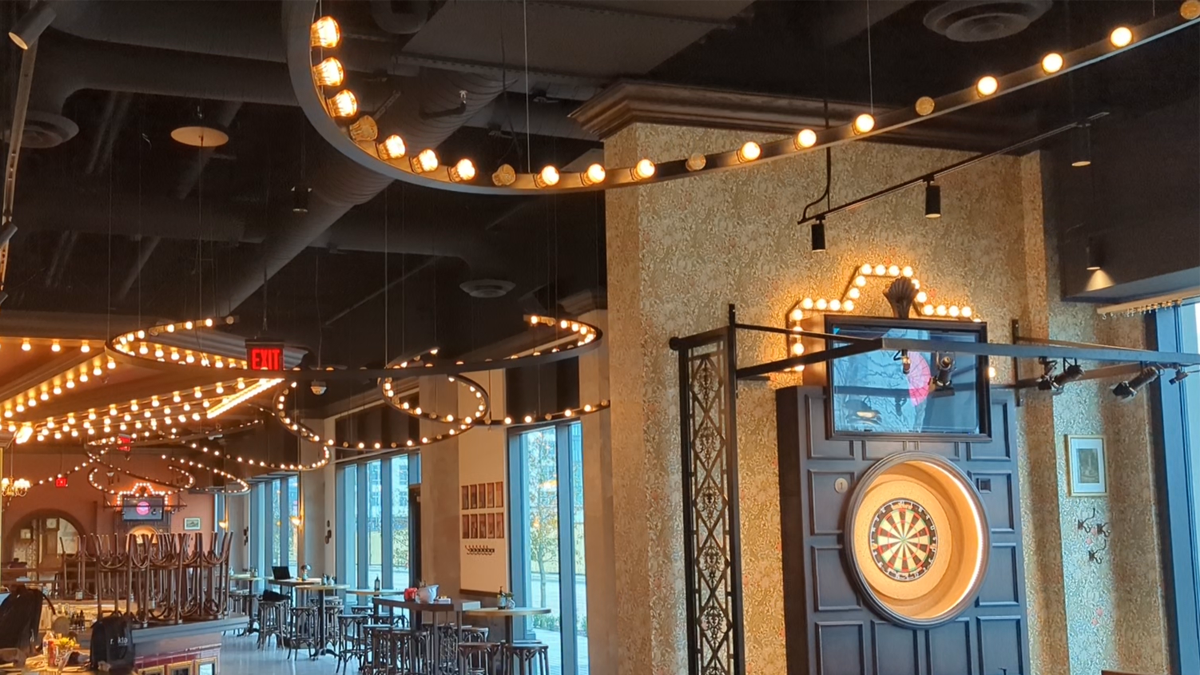
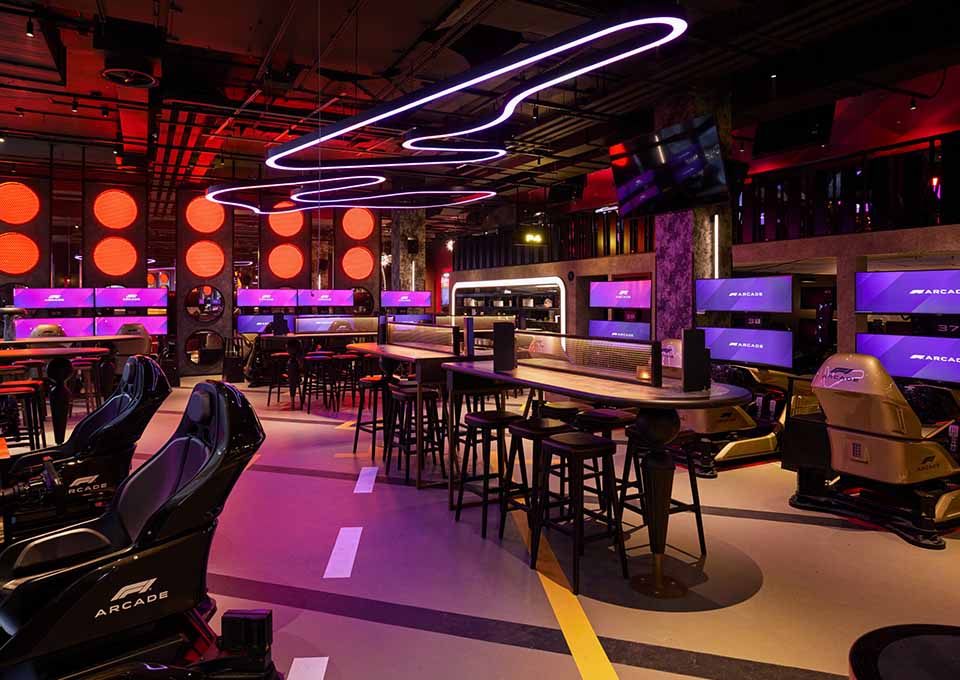
    Ideoli’s DMX expertise has brought to life some of the most innovative lighting displays in the industry.

    Our Vision:

    • To redefine lighting experiences with DMX precision and creativity.
    • To partner with iconic brands and create immersive, memorable spaces.
    • To deliver flawless execution, from design to installation.
    • Let Ideoli lead your next lighting project to brilliance.
    [Your DMX Experts Are Ready]

    Let’s Collaborate on Your DMX Project

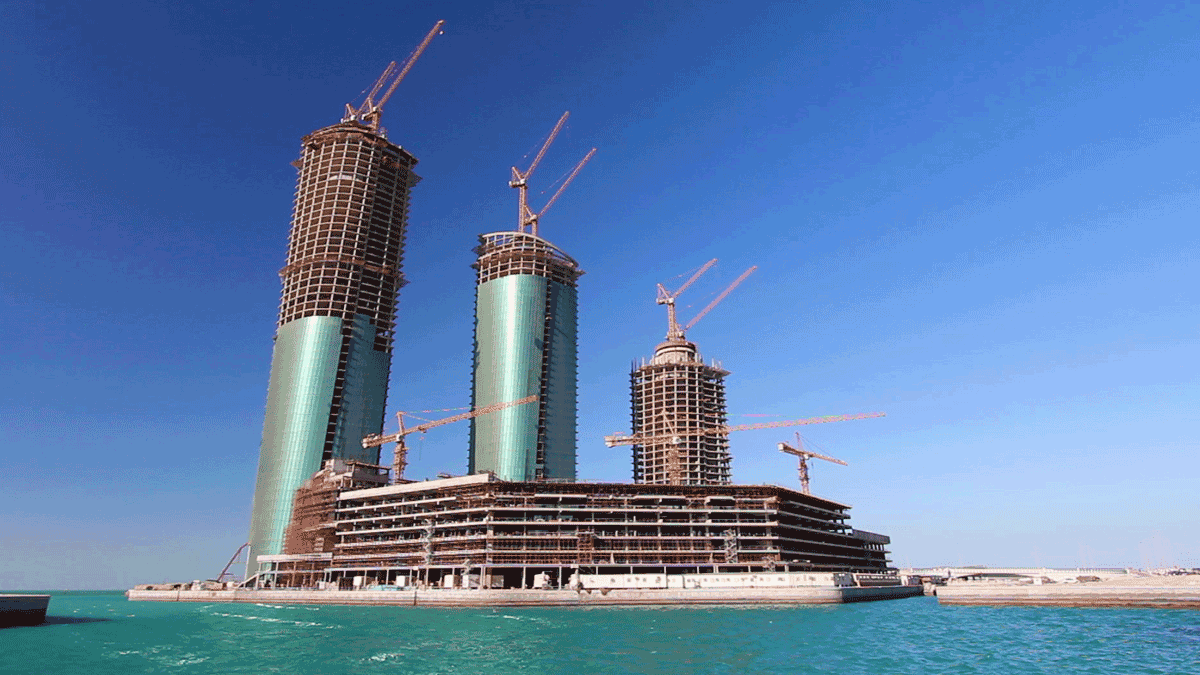
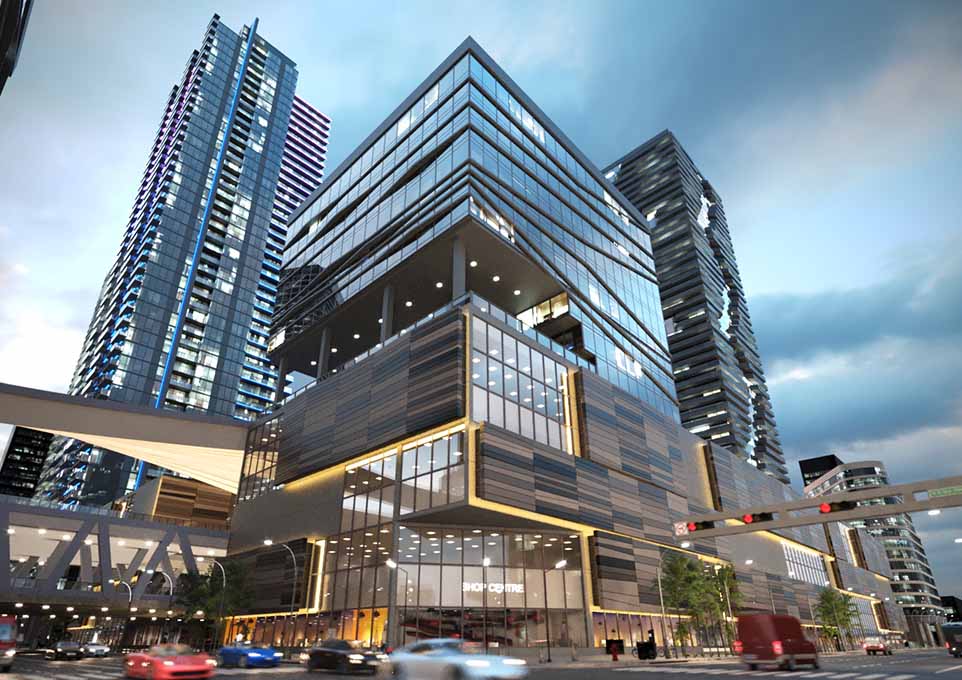
    Whether it’s a skyscraper, hotel, or entertainment venue, Ideoli’s DMX lighting solutions are designed to elevate your brand and captivate your audience.

    Let’s Create Together:

    • Custom solutions tailored to your vision.
    • Industry-leading DMX technology.
    • Trusted by the biggest names in hospitality and architecture.
    Ideoli group DMX lighting specialists

    Get in touch today and see what Ideoli’s DMX lighting expertise can do for your brand.